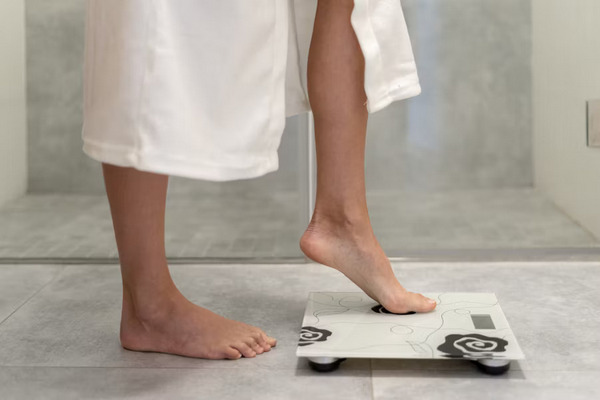
You’ve counted the calories, logged your workouts, and tried intermittent fasting because someone on Instagram swears by it. And still, your weight won’t budge. Here’s what no one tells you: weight loss isn’t just about willpower or macros. It’s about chemistry—specifically, your hormones.
These invisible messengers orchestrate everything from how hungry you feel to whether your body stores fat or burns it. Ignoring them is like trying to fix a leaky faucet by repainting the wall. It may look like progress, but the root problem remains untouched. Let’s break the silence. Let’s talk about hormones.
Insulin: The Silent Fat Storage Manager
When you eat, your pancreas releases insulin to help shuttle glucose into your cells. But if you’re constantly spiking your insulin—hello, sugary lattes and ultra-processed snacks—your cells stop listening. This is called insulin resistance, and it’s one of the fastest routes to stubborn weight gain, especially around the belly.
Here’s the kicker: insulin doesn’t just manage sugar; it tells your body whether to burn fat or store it. High insulin? You’re storing. Low insulin? You’re burning. That’s the simple equation most diets overlook.
If you feel like you gain weight just by looking at a croissant, your insulin may be the culprit—not your character.
Cortisol: Stress’s Favourite Sidekick
You’ve had one of those days. You didn’t sleep well. You’re behind at work. You skipped lunch. By 6 PM, you’re devouring a family-sized bag of chips like it’s your last meal on earth. Blame cortisol.
This stress hormone helps you survive emergencies, but it doesn’t understand the difference between a work deadline and being chased by a bear. Cortisol tells your body to conserve energy, increase blood sugar, and—yep—store fat, especially in your midsection.
If your days are filled with chaos, your diet alone won’t fix it. You’ve got to create space for calm. That may mean shorter workouts, not longer. It may mean saying “no” more often. It definitely means rethinking what “being healthy” actually looks like.
Thyroid: The Hidden Regulator
Low energy. Cold hands. Slow weight loss. Sound familiar?
Your thyroid might be under-functioning—and it doesn’t have to be full-blown hypothyroidism to mess with your metabolism.
The thyroid sets the tempo of nearly every system in your body. When it’s sluggish, so are you. Your digestion slows, your body temperature drops, and your ability to burn fat dwindles.
Estrogen and Progesterone: The Delicate Balance
Hormonal weight gain isn’t exclusive to menopause. Estrogen dominance—when there’s too much estrogen relative to progesterone—is increasingly common in both younger and older women. It’s linked to bloating, mood swings, and fat storage in the hips and thighs. Processed foods, plastics, poor sleep, and chronic stress can all throw off this balance.
PCOS: The Unspoken Struggle
Polycystic Ovary Syndrome isn’t just about irregular cycles or facial hair. It’s a full-body hormonal disruption that makes weight loss feel like an uphill battle on roller skates.
If you’ve been searching for how to lose weight with PCOS, know that the approach is entirely different from conventional dieting. Many women with PCOS experience insulin resistance, which makes low-glycemic eating more effective than calorie slashing. Inflammation is also a big player—so gut health, sleep, and blood sugar stability matter more than obsessing over the scale.
A New Path Forward
The weight loss industry thrives on noise: “Eat this, skip that, hustle harder.” But silence has power too. In the quiet moments—before the meal, during the walk, as you reflect on your day—your hormones are already listening. And when you begin to understand their language, weight loss stops being a war and starts becoming a partnership.
Leave a Reply