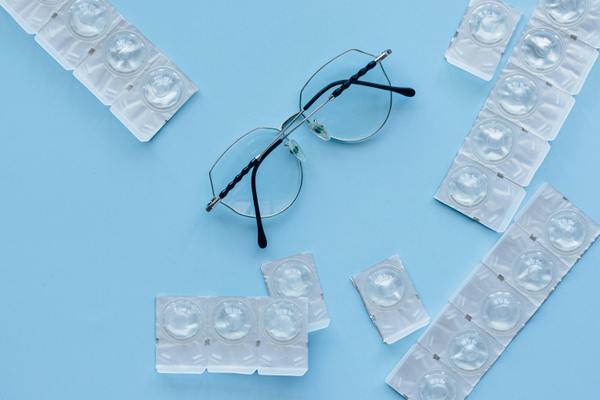
Everyone knows at least one mate who claims contacts changed their life, allowing them to sprint for the bus without their frames fogging or sliding off. Equally, every glasses wearer owns at least one pair that makes them feel like a brooding intellectual in a coffee advert. If you have been flirting with the idea of ditching specs for little discs of polymer, here are a few points to mull over before you leap eyeball-first into the contact lens world.
Freedom of movement, minus the wobble
Contacts sit directly on the cornea, so they move with your gaze. You can glance sideways without that awkward edge-of-the-lens blur, play five-a-side without steamed-up lenses, and skip the rain droplets that turn glasses into impressionist paintings. Cyclists and runners often rave about contacts because they weigh nothing and cannot bounce. The price of this freedom is a daily ballet of clean hands, fiddly insertion, and the occasional lens that stubbornly folds like a taco.
A fashion rethink
Spectacles double as face jewellery, so swapping to contacts means losing a style accessory. If you enjoy match-your-outfit frames or use chunky acetate to hide under-eye circles, going bare-faced may feel oddly minimalist. That said, contacts let you flaunt bold eye make-up without lenses muting the colours. You can also buy a single statement pair of non-prescription sunnies rather than juggling expensive prescription shades. In short, contacts expand some fashion options while trimming others.
Comfort and eye health
Modern lenses are silicone hydrogel wonders, allowing generous oxygen flow. When fitted correctly you forget they exist, at least until dust blows in. Dry environments, air-con, or marathon laptop sessions can drain moisture quicker than you can say “refresh”. Preservative-free lubricants, such as Thealoz duo eye drops, provide a handy moisture top-up, blending trehalose and hyaluronic acid so eyes stay comfy without clouding vision. Note, though, that drops complement healthy lens habits rather than replacing them.
Practical realities nobody prints on the leaflet
You will need clean solution, fresh cases, and diary reminders to change lenses on schedule. Late-night returns from the pub necessitate enough discipline to remove lenses before collapsing into bed. Swimming pools and lenses are frenemies at best; chlorine breeds bacteria that love a plastic surface, meaning goggles or good old spectacles win underwater. Travellers must remember spare lenses, solution under 100 ml for hand luggage, and a pair of glasses for emergencies.
Cost breakdown
Daily disposables cost more than monthlies, but they eliminate storage faff and suit people with unpredictable routines. Reusable lenses are cheaper long-term yet demand religious cleaning. Throw in solutions, drops, and regular check-ups, and total spend may exceed what you pay for a decent pair of glasses every couple of years. Many opticians offer subscription packages bundling lenses, solution, and aftercare, which smooths the cash flow if you prefer predictable outgoings.
Trying before buying
Most practices supply a free trial, letting you gauge comfort and dexterity. Expect a teaching session on insertion and removal, a short wear period, then a follow-up to tweak fit or power. You may decide lenses suit weekdays and frames suit weekends, creating a hybrid routine that capitalises on the strengths of both.
As you can see, swapping your glasses for contacts has many benefits, but you don’t have to go the whole hog, you can wear your glasses sometimes, or maybe it’s not for you at all. The choice is yours!
Leave a Reply